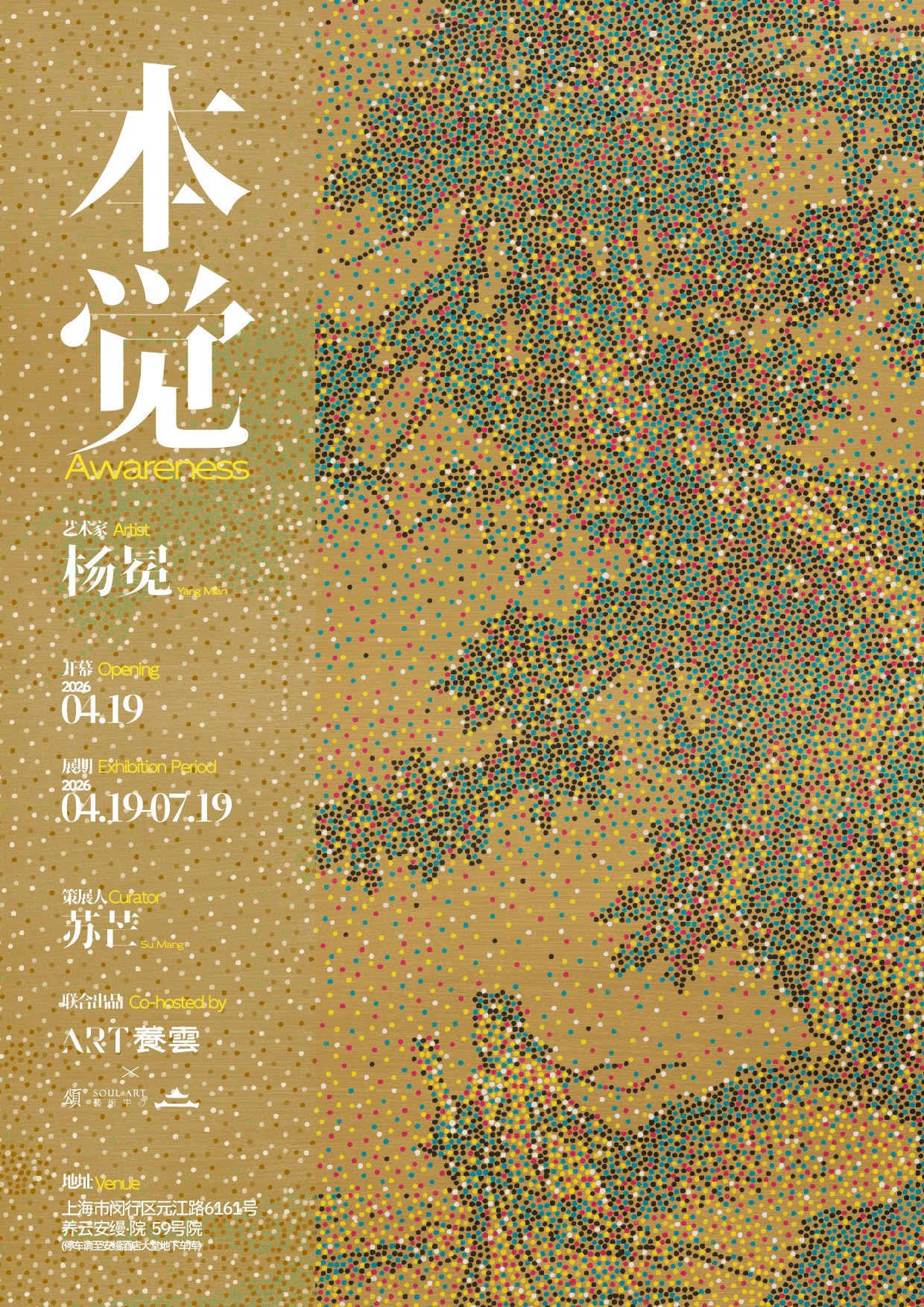
2026 本觉 · 杨冕 / Original Nature · Yang Mian
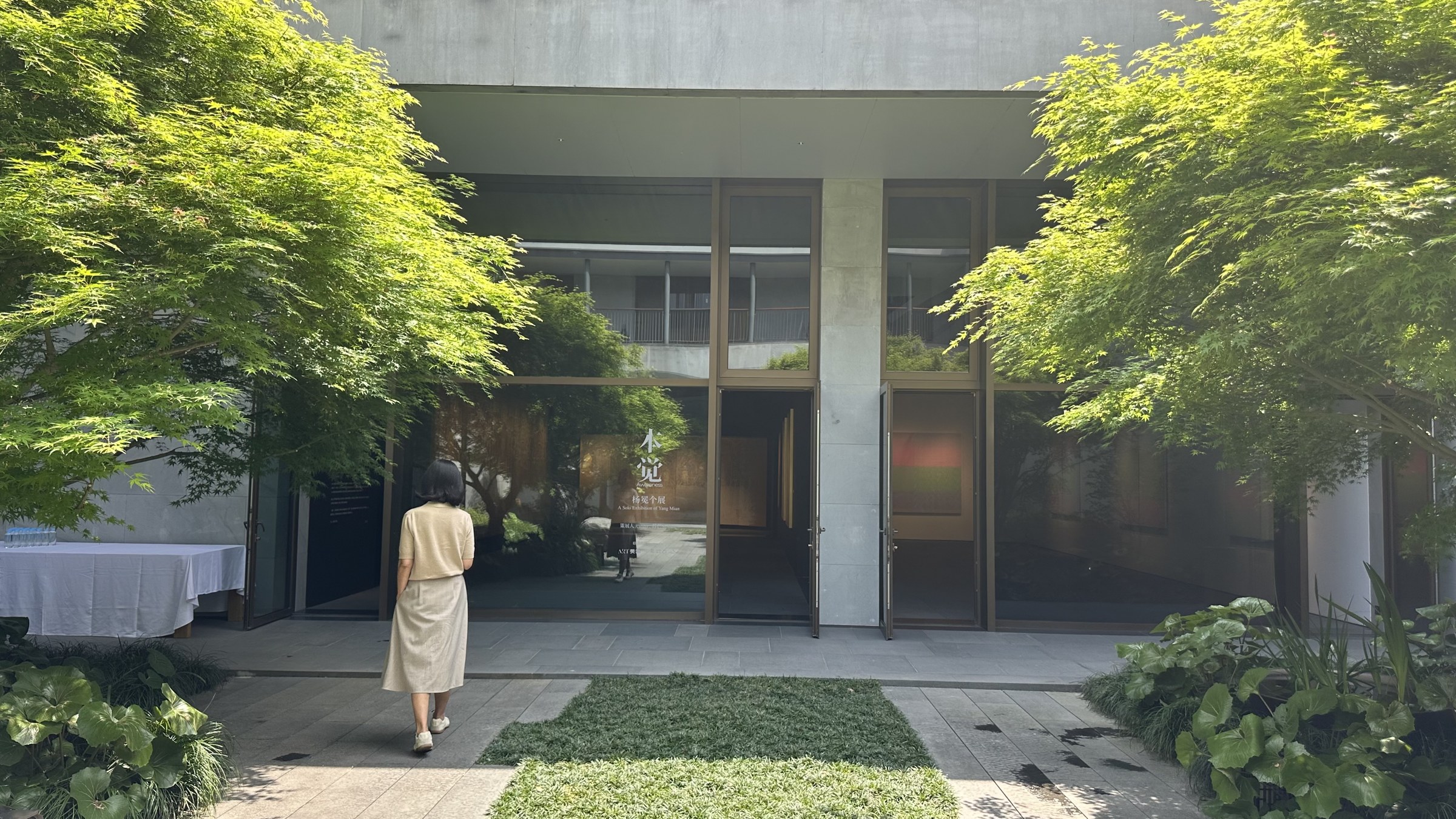
上海养云安缦 · 59号院
展期:2026年4月19日—7月19日
Yangyun by Aman, No. 59 Courtyard, Shanghai
19 April – 19 July 2026
策展人:苏芒 / Curator: Su Mang
展览现场 / Installation Views
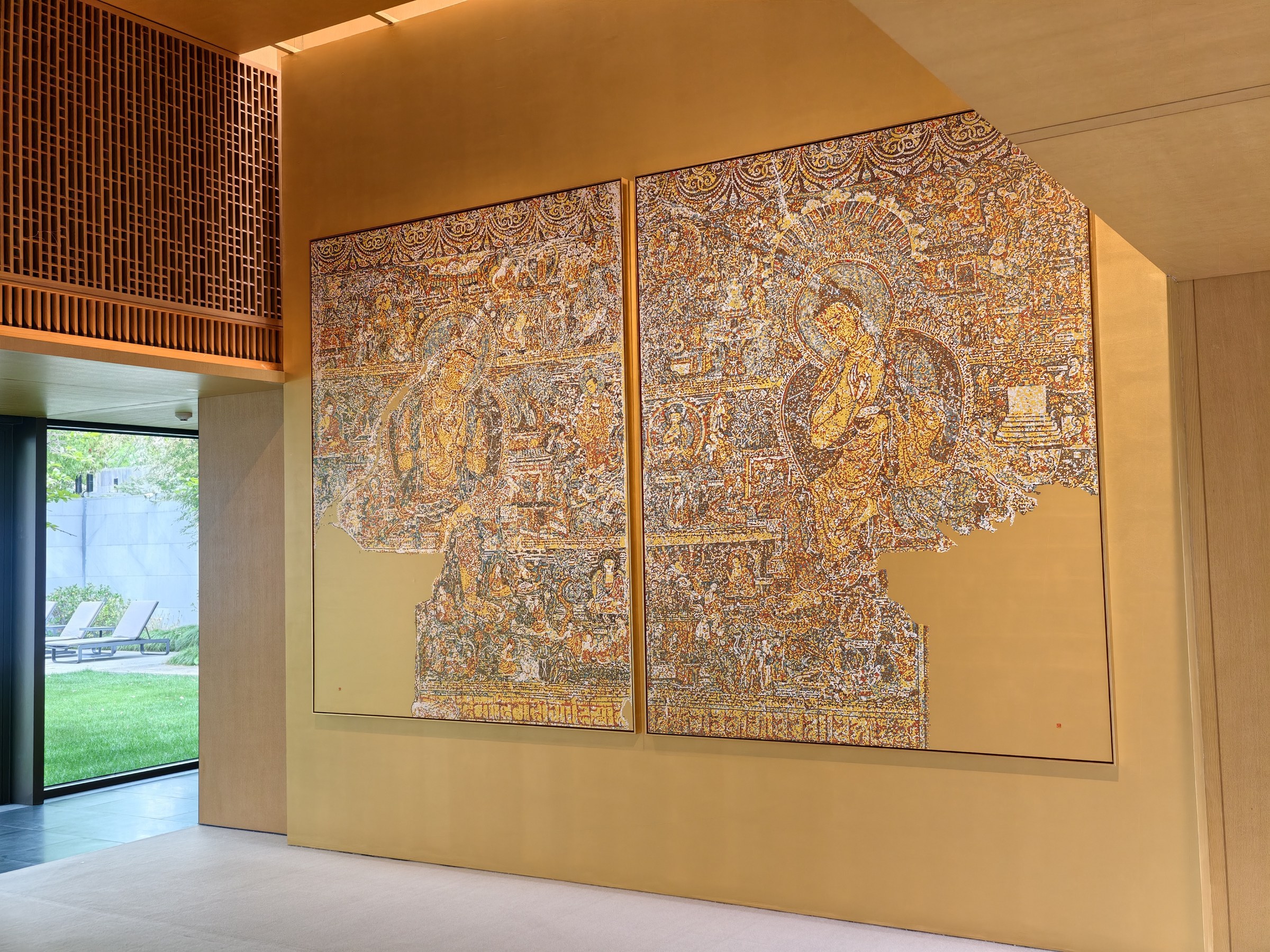
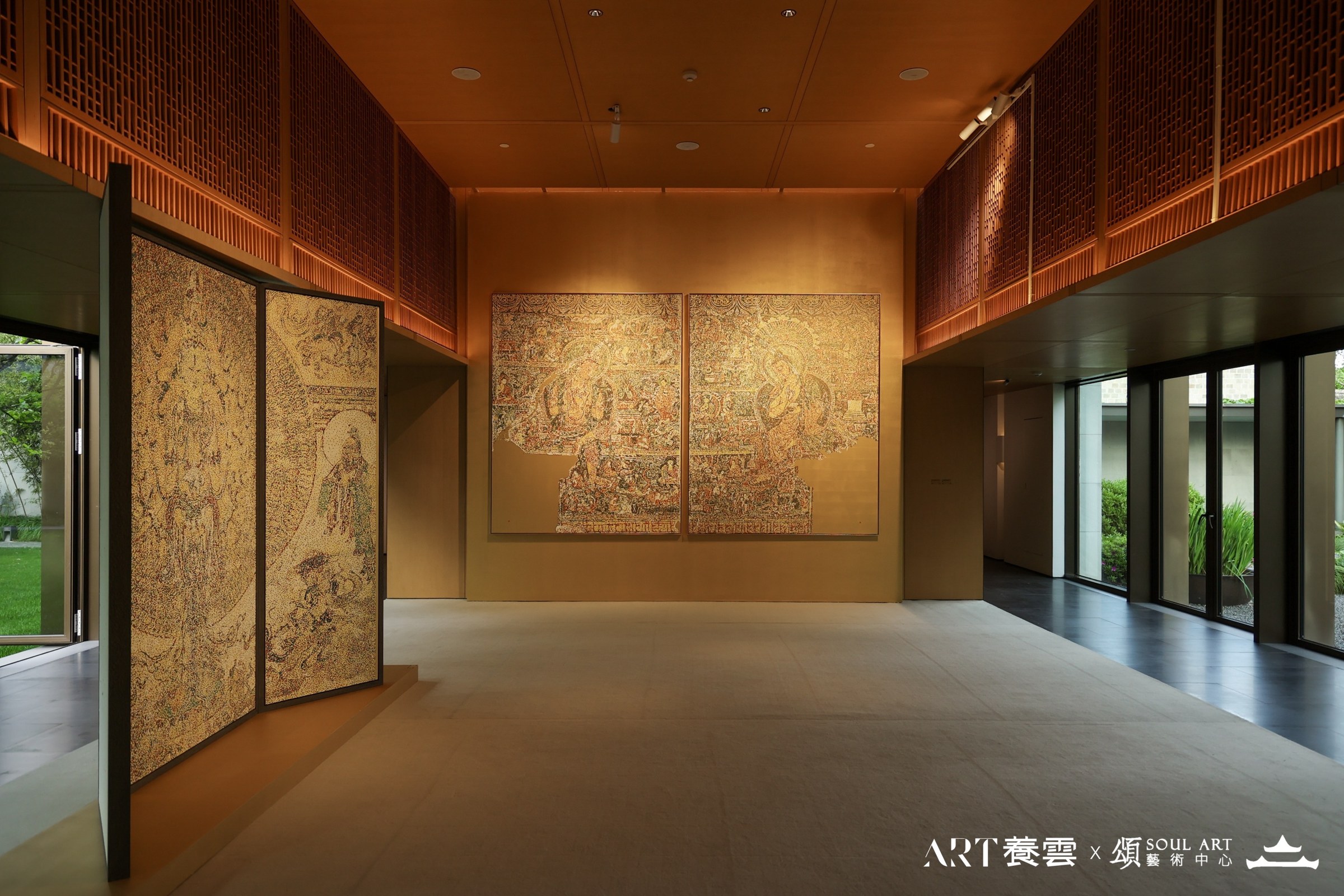
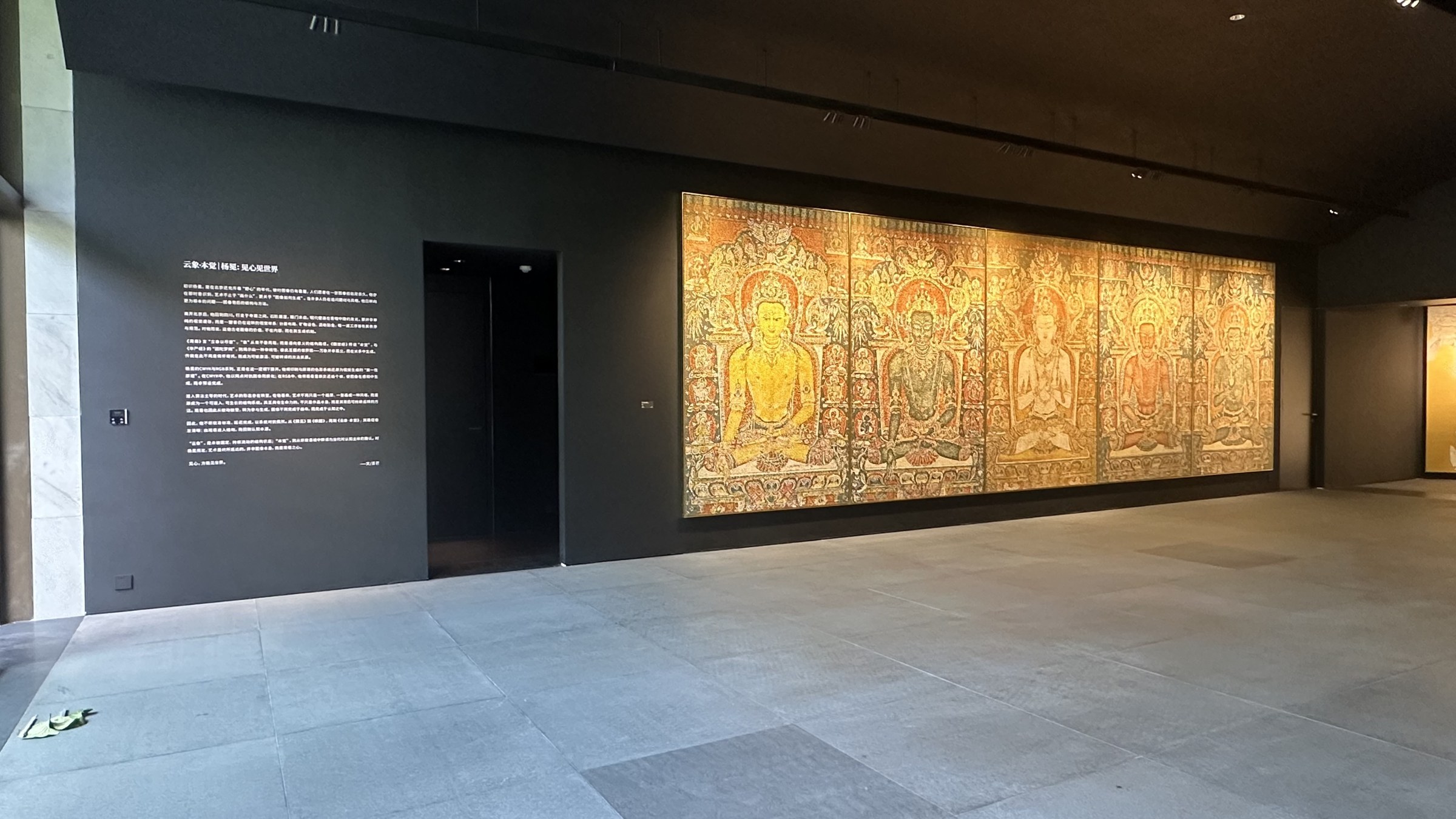
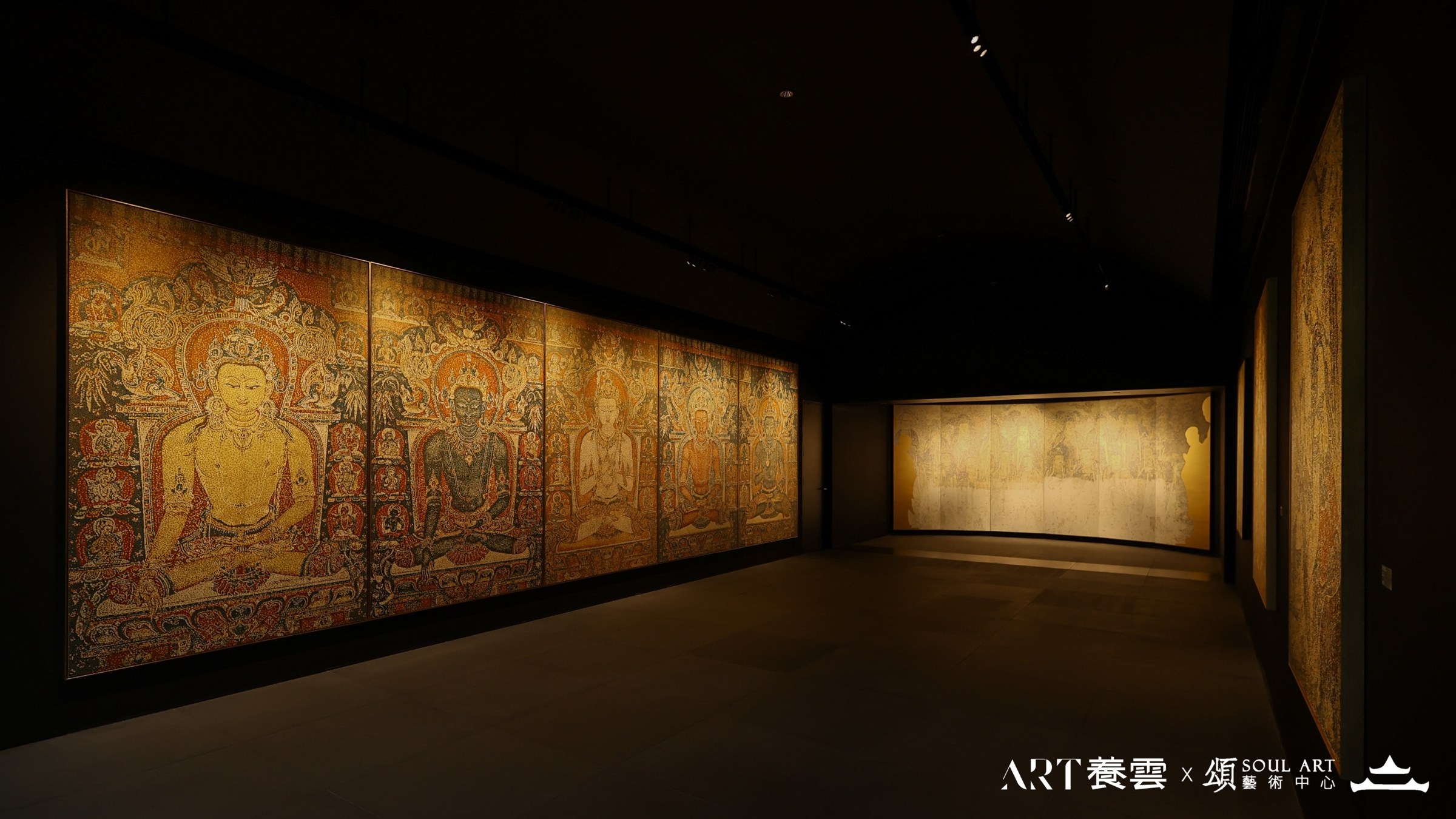
中央展厅 / Central Gallery
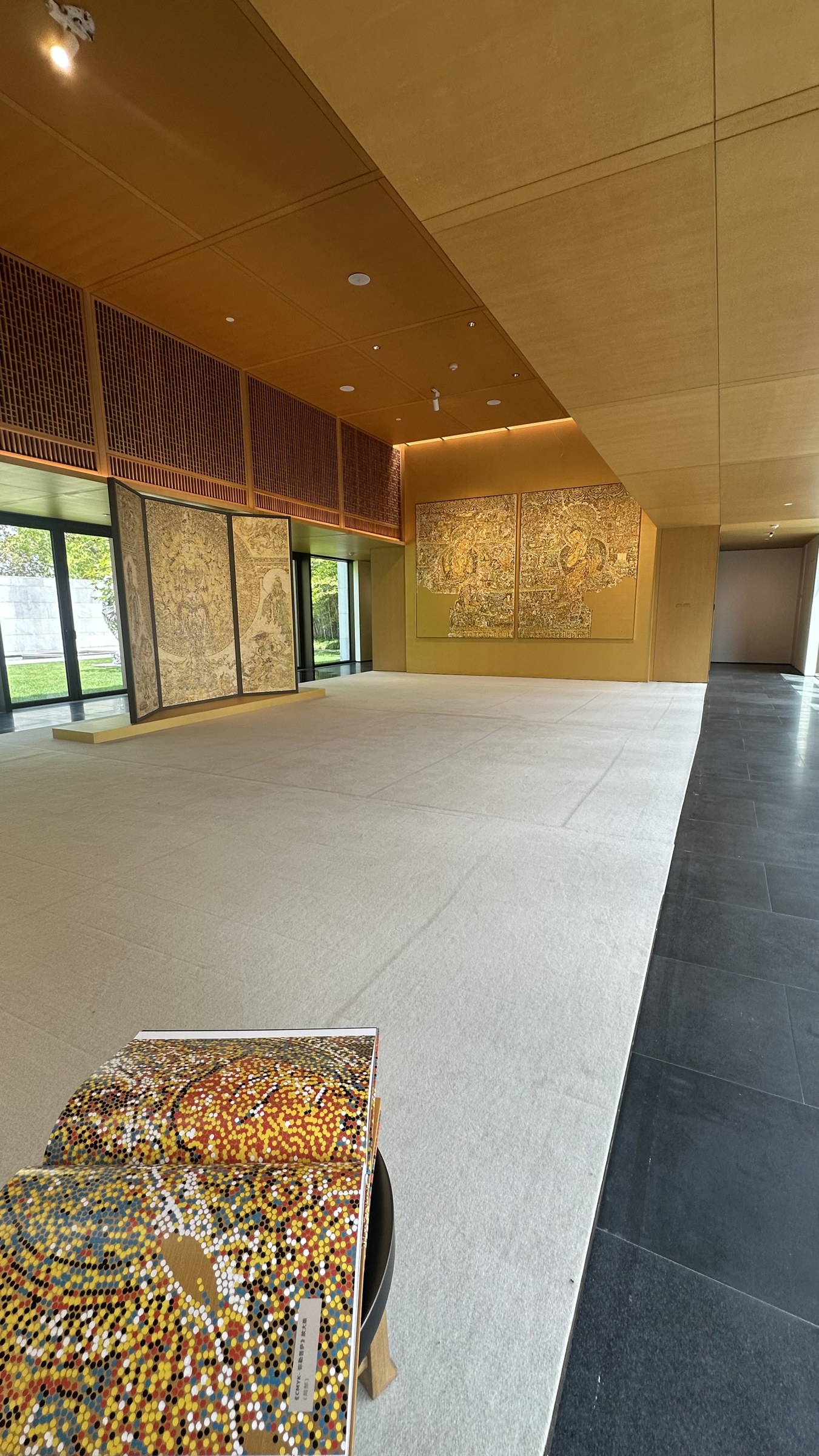
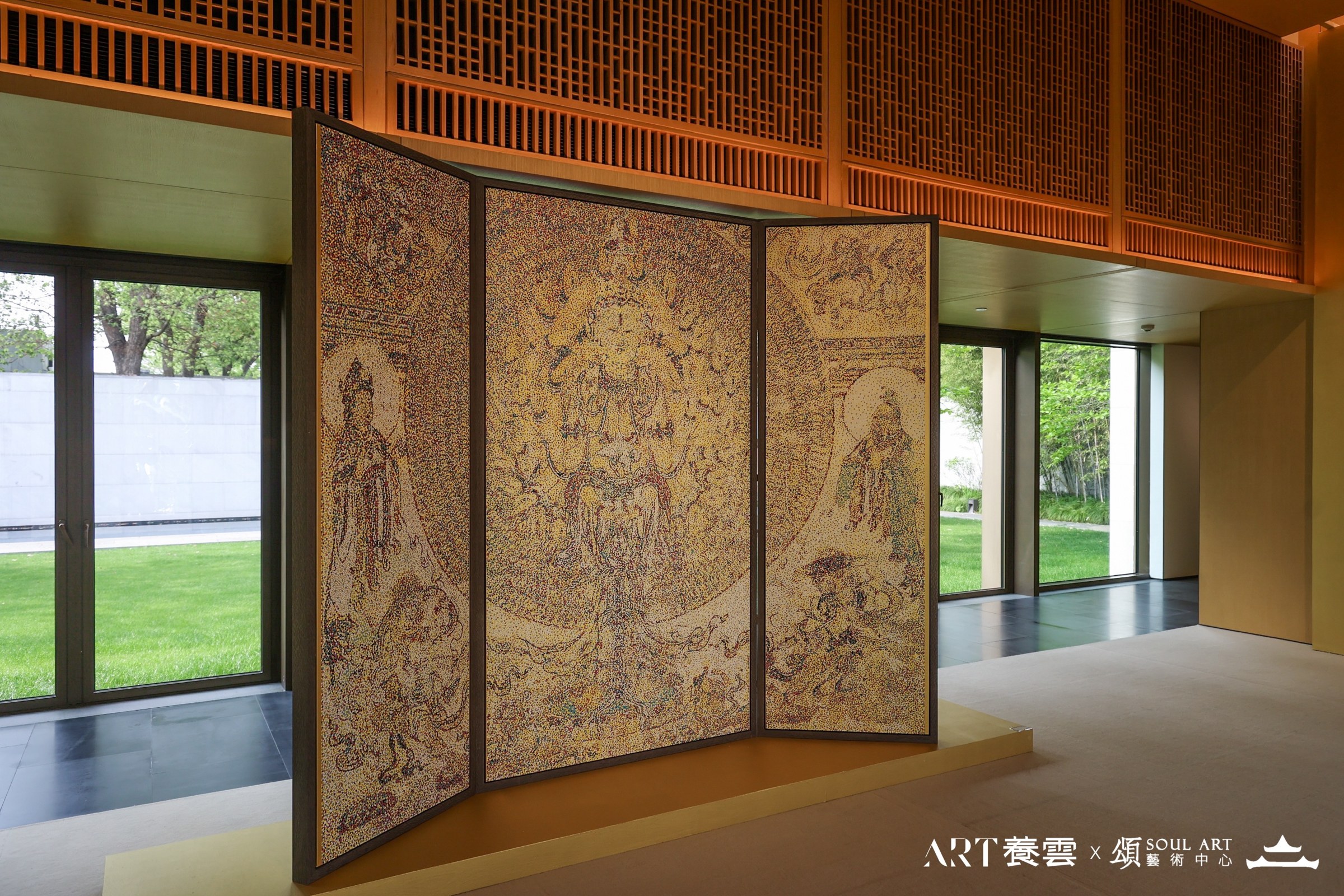
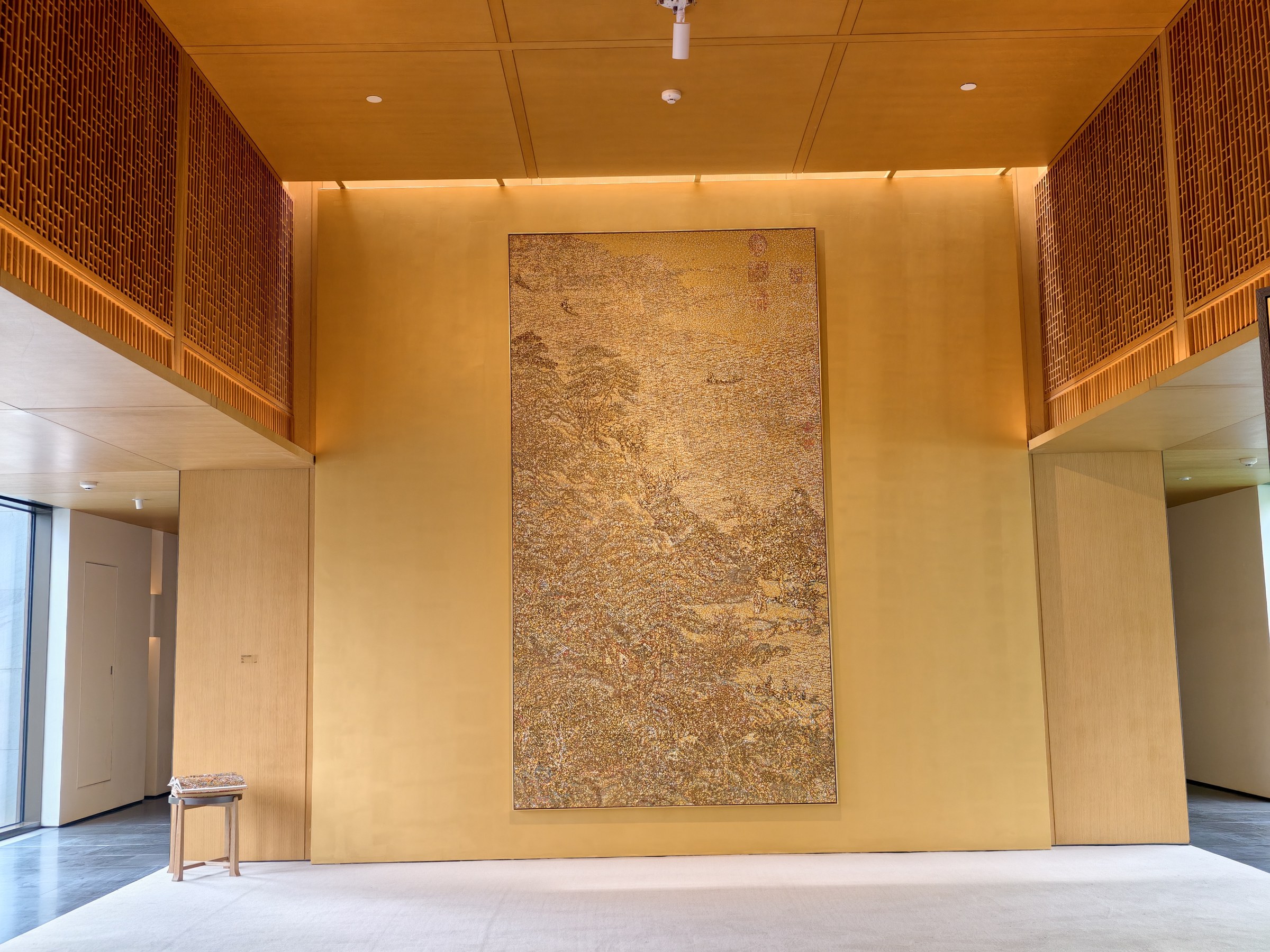
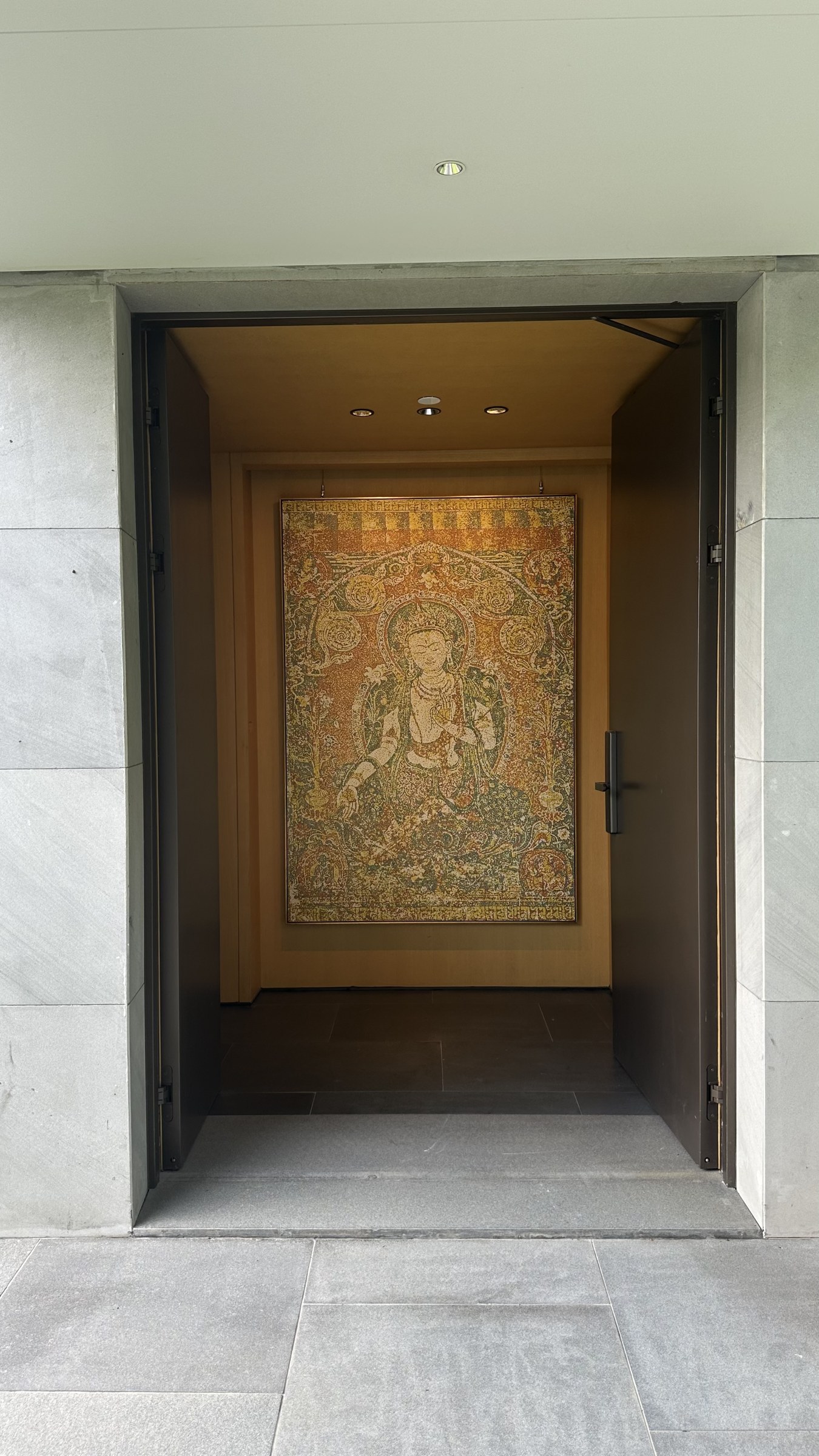
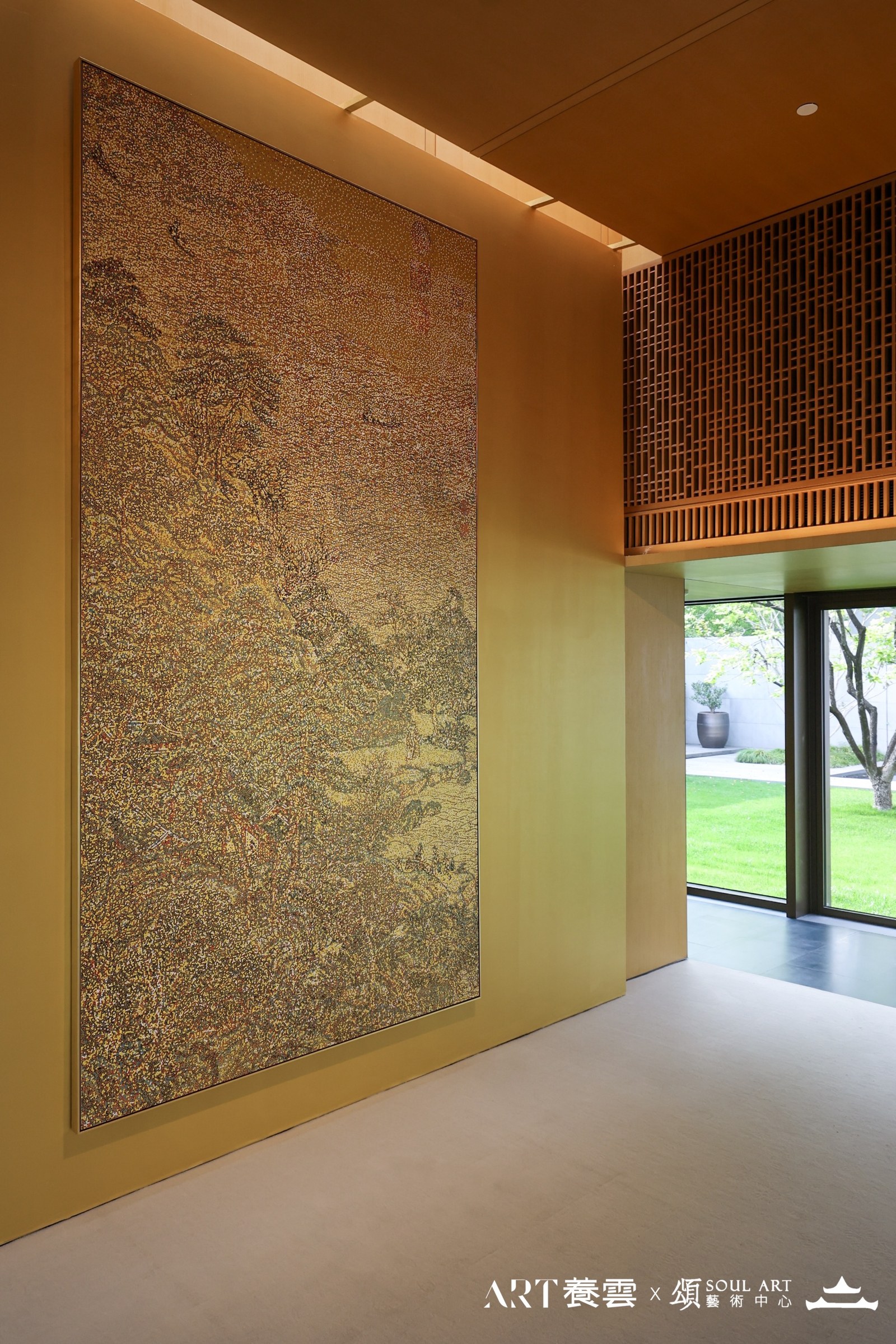
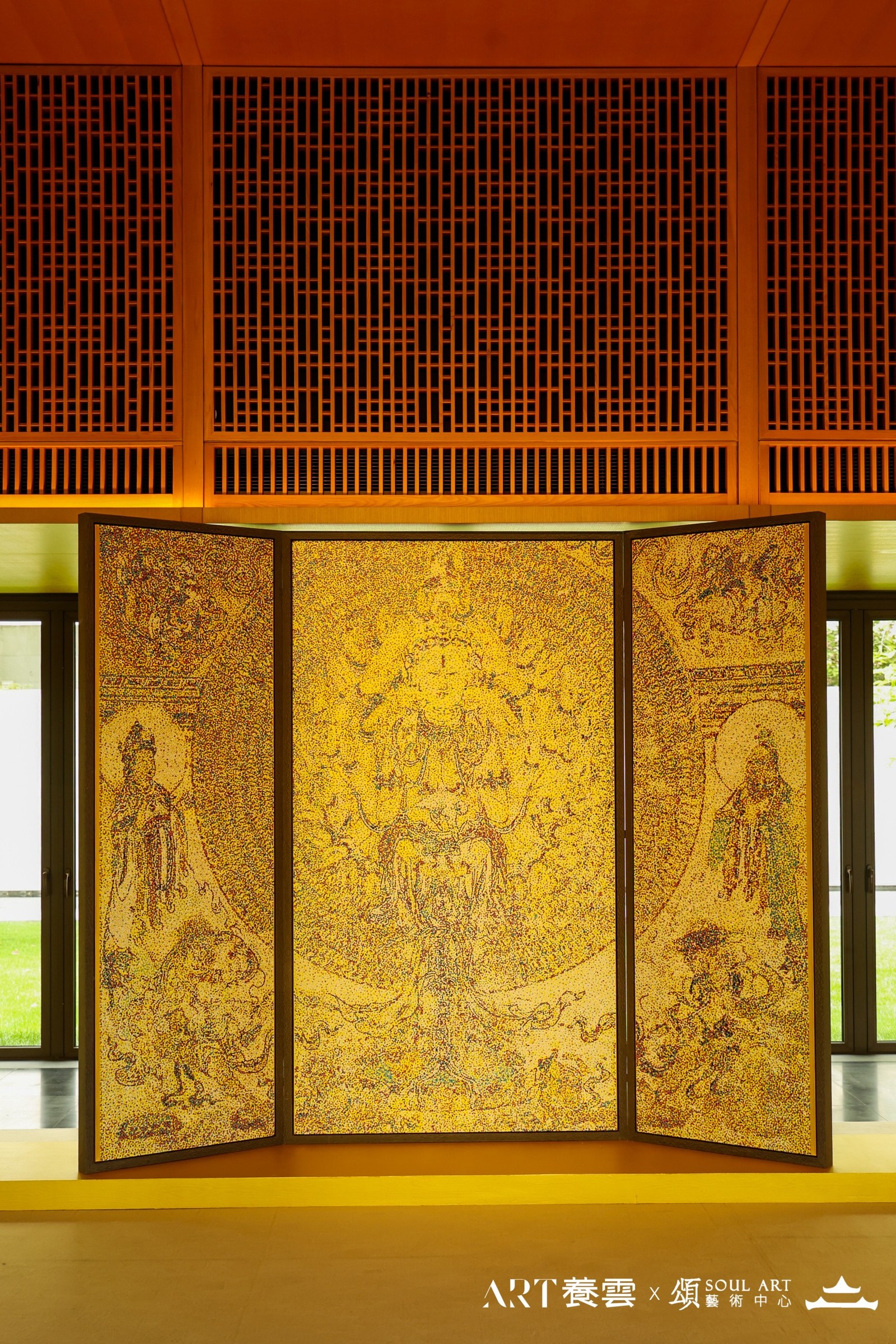
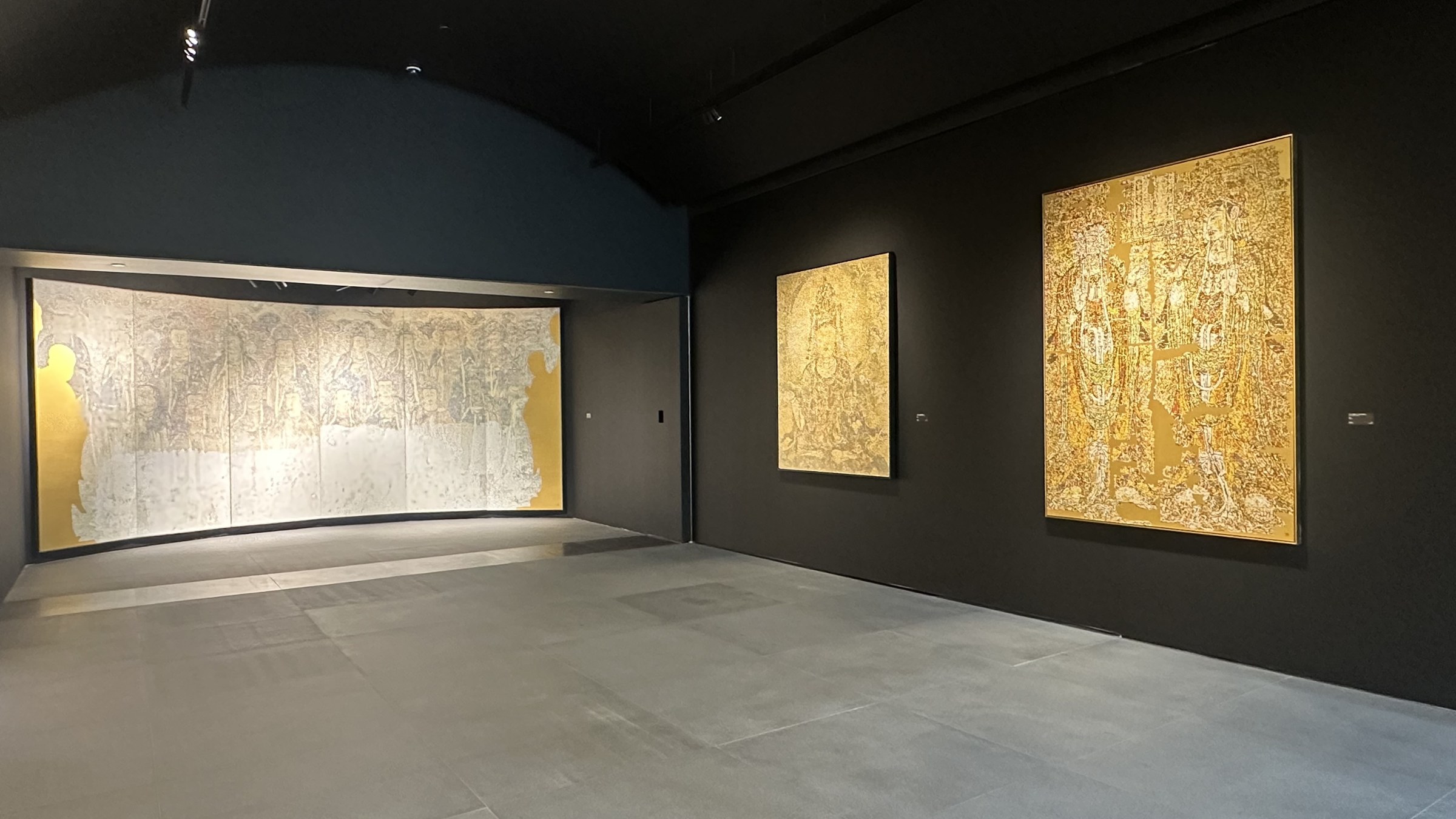
楼下展厅 / Lower Gallery
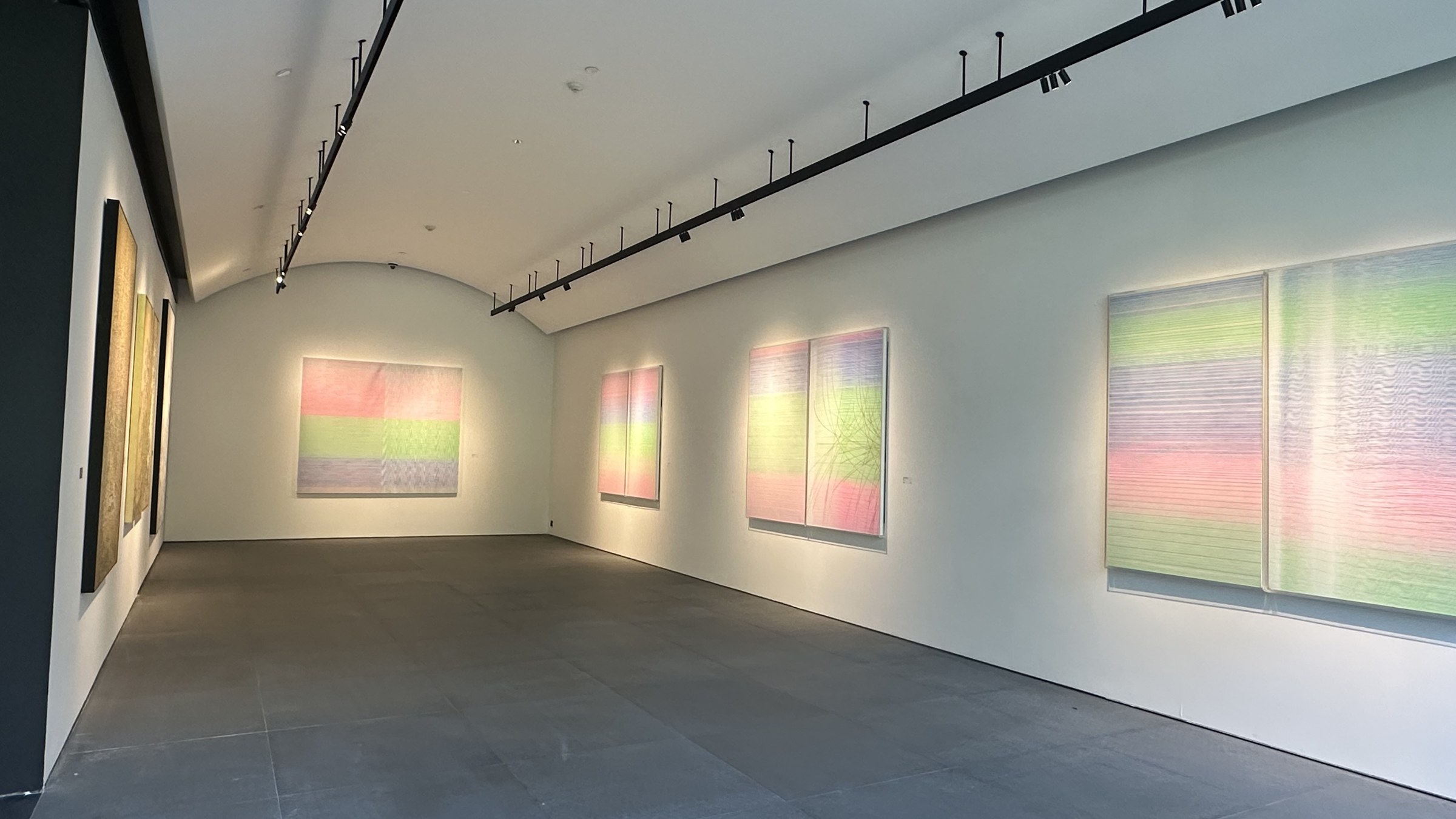
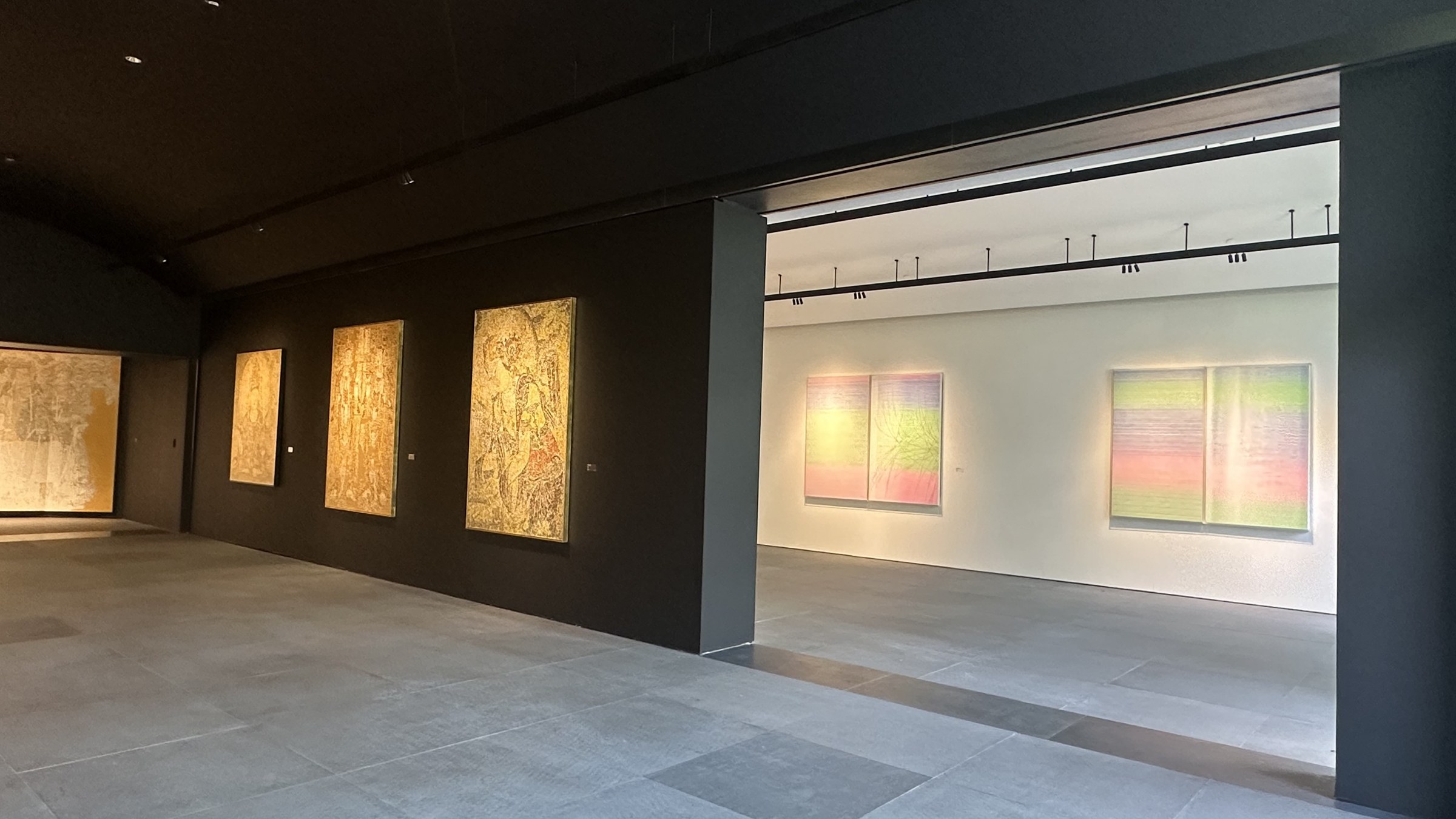
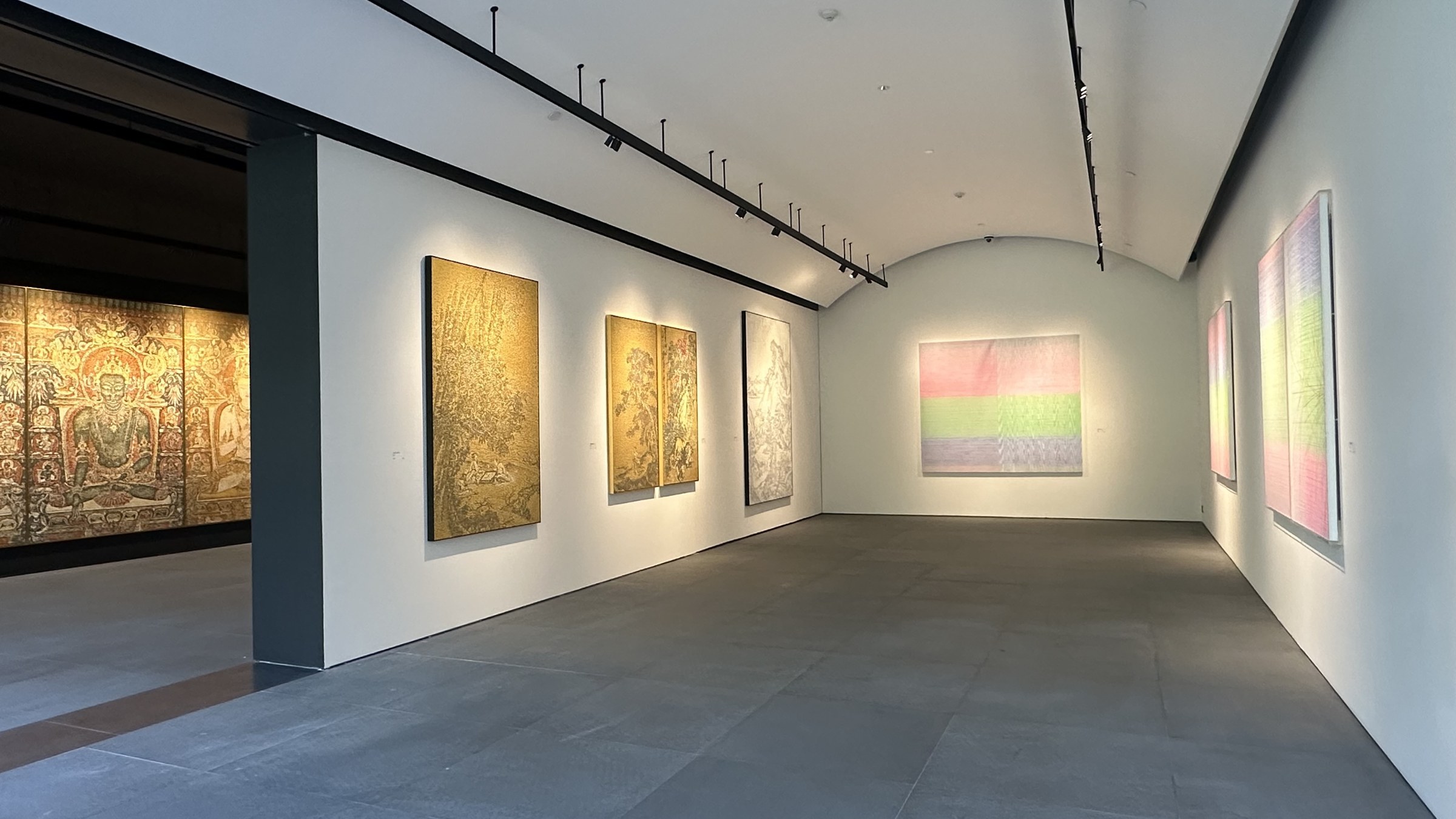
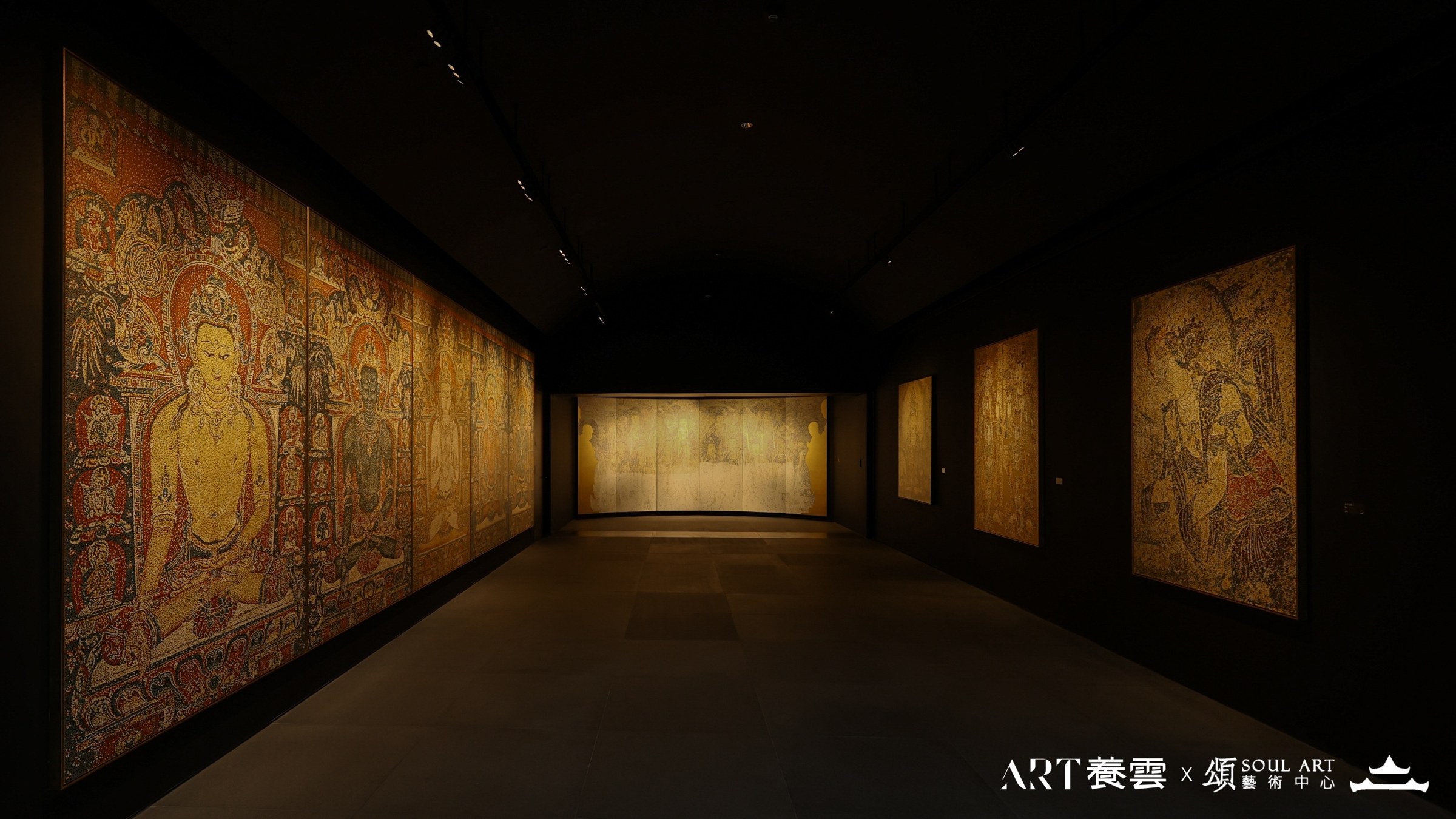
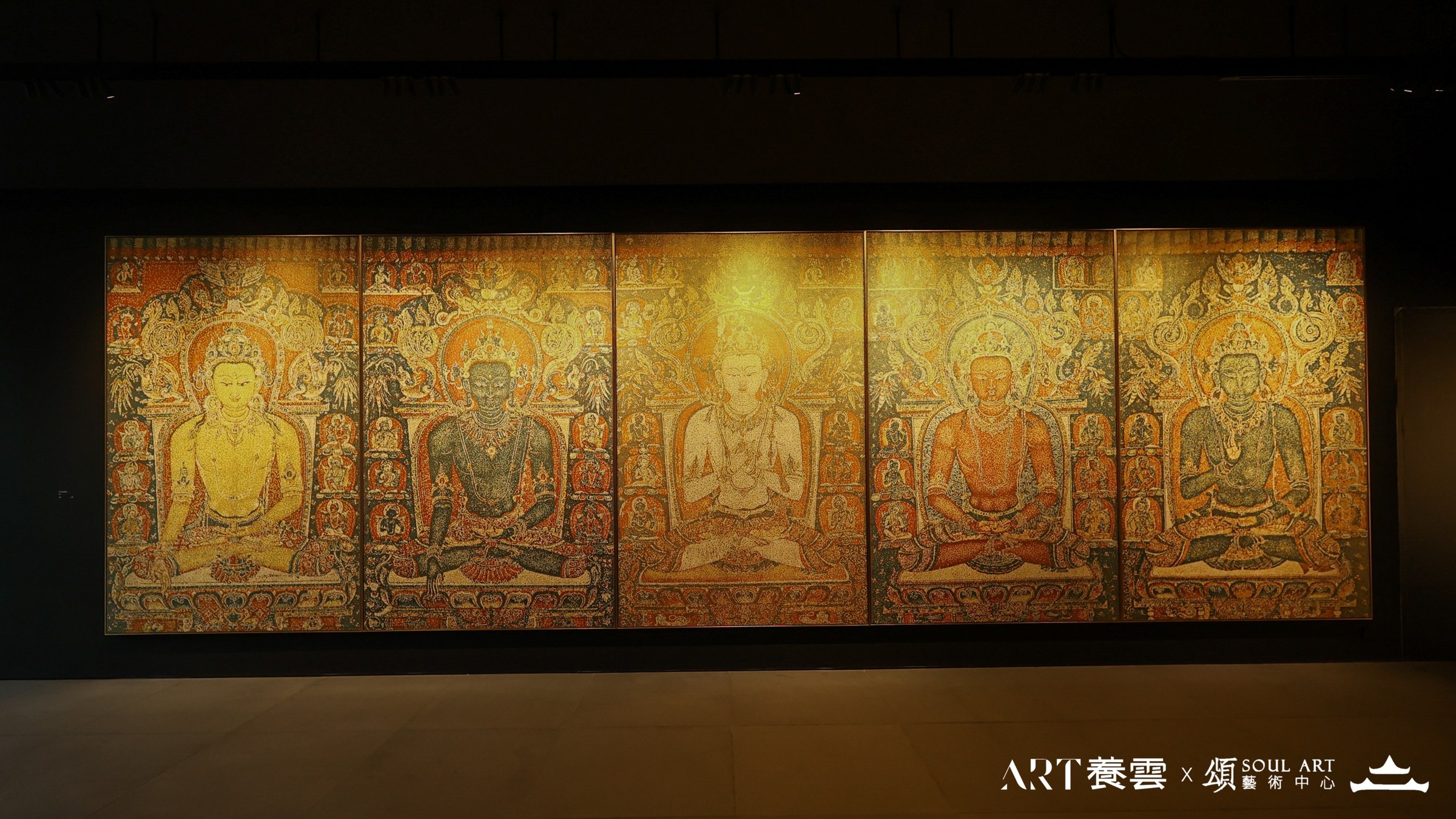
展览视频 / Exhibition Film
展览前言
云象·本觉|杨冕:见心见世界
初识杨冕,是在北京还充斥着“野心”的年代。那时候的城市,还没有被今天这样密不透风的图像覆盖。杂志是慢的,观看是慢的,人也更愿意在一张图像前停下来。
杨冕看世界的方式,和大多数艺术家不一样。当艺术家们还在探索“我要画什么”时,他探讨的是“图像的生成之道”。他大抵很早就知道,自己要走的路,无关乎风格。
十多年前,他从北京离开,回到成都,又一头扎进四川的寺观。他跟我讲过很多次清晨入山的情景。石阶潮湿,殿门未启,壁画在昏暗中隐约发光。那光以褪祛了金箔的耀目,是被时间缓慢打磨后的温润。对他而言,这并非单纯的图像,而是中国视觉文明仍在呼吸的证据。
他常说,自己真正的工作不是“画画”,而是在为正在消逝的观看方式寻找出路。
在杨冕看来,今天判断一件艺术作品是否具有当代性,并不取决于它描绘了什么题材,而取决于它是否建立起一套与这个时代结构相匹配的方法论。
人工智能正在重塑所有学科。绘画也不可能例外。
在AI时代以前,艺术更像一个结果:一张画、一种风格、一个完成的结论。艺术家以作品作为终点,观众以观看作为消费。而在人工智能时代,艺术将越来越呈现为一个逻辑系统:一个可以自主进入、被持续展开、并不断生长的结构。真正拥有生命力的,不只是艺术品本身,而是艺术背后那套可运行的方法。艺术的永恒,亦不再只是物理保存,而是逻辑结构的可延续。
这正是他理解的“永生”。
他认为,艺术家在今天拥有前所未有的创作工具。信息技术不再只是工业力量,而成为个体可掌握的生产结构。问题不在于“能不能做图像”,而在于“能否建立属于自己的标准”。如果没有标准,技术只会制造同质化;如果没有方法论,作品只会沦为视觉结果。
因此,他的工作从来不是追逐题材,而是建构系统。
杨冕成长于纸媒时代。报刊、广告、印刷图像构成了城市视觉的底色。放大看,世界不过是密集排列的色点;退远看,图像又完整如初。
那是他第一次意识到,所谓真实,其实是结构。
进入学院,他学习油画的光影与再现,但他始终没有忘记那些网点——冷静、精确、去情绪化。视觉不再是情绪的流淌,而是一套可拆解、可计算的秩序。
在中国古典思想中,“象”不是自然再现。《周易》说“立象以尽意”。象是工具,是结构,是通向意义的路径。杨冕真正关心的,也正是这种“生成结构”。
当他多年后重新走入四川寺观,长时间面对新津观音寺毗卢殿的明代壁画时,他并不是以“传统文化继承者”的身份出现,而是以一个研究图像生产机制的人站在那里。
十二圆觉菩萨与香山图构成严密的空间秩序。分层布局、矿物设色、沥粉贴金,每一步都有明确规范。那并非单纯的信仰表达,而是一整套稳定的视觉生产体系。
而佛教图像在历史上本就是一种系统工程。
《圆觉经》讲“本觉”,众生本具觉性;《华严经》提出“因陀罗网”,一珠映万珠,万象互摄。世界不是单线展开,而是由无数节点构成的互相嵌套的整体。
杨冕将其归纳为“结构性的宇宙观”,并将其与现代图像结构并置时,他看到的不是对立,而是同构。像素与法界,在结构层面并不遥远。在他看来,传统不是情怀,而是资源;不是终点,而是结构样本。古代壁画提供的,不是题材,而是一套经得起时间检验的视觉系统。
因此,杨冕借助壁画这一古典系统,去建立他的当代体系。
杨冕并不迷恋“传统”这个词。在他看来,传统并非情怀,而是经过时间筛选的“结构样本”。传统的价值,在于被理解、被转译,并重新嵌入当代语境之中。他的CMYK与RGB系列,正是在这一逻辑下展开。
印刷的四原色与屏幕的三原色,被还原为视觉生成的“第一性原理”。在CMYK中,他以网点对抗机械复制的同质化;在“RGB-视觉暂留那一刻”系列中,他拆解自发光媒介对视觉的控制,将观看重新交还给个体。这并非形式实验,而是关于“视觉权力”的再分配。
在算法主导的时代,图像的真正权力早已不在画面之中,而隐藏于其背后的结构。流通路径、可见性、注意力分配——一切皆由系统决定。而杨冕所提出的“视觉的民主性”,恰恰试图在这一结构中重新打开空间:观看不再是被动接受,而成为参与生成的过程。不同距离、不同移动、不同个体经验,都会重构图像本身。
换言之,图像不再完成于画布,而完成于观看。艺术如果不能回应时代结构,就会退化为风格。而风格,在算法时代是最容易被复制的东西。
因此,他不断校准标准,不断压缩误差,不断延迟完成。当被问及“何必如此严苛”时,他说:如果标准不清楚,如何面对时间?
他的创作方式近乎苛刻。
他不依赖情绪爆发,而依赖逻辑的确立。他反复试验、淘汰、重设标准,时间成为筛选机制。许多阶段性成果被他主动否定,只因尚未达到内部逻辑的自洽。
在禅宗传统中,重复并非机械,而是一种精神训练。《楞严经》言“摄心为戒”。当意识被持续集中,精神会在冷静劳动中生成强度。
杨冕的长期工作状态,恰恰是其方法论的修行。他用系统对抗偶然,用标准对抗松散。
从拉萨吉本岗艺术中心的个展《照见》,到两年前我们为其策划的大型个展《唤醒》,再到此次上海养云的《云象·本觉》,杨冕的创作路径愈发清晰。如果说“照见”,仍然停留在观看之中,是对历史图像与自我的映照;那么“唤醒”,则进一步打开结构,通过openart的概念,试图唤醒视觉的“民主性”或者“个体性”;而“本觉”,则指向在一切结构之前,是否存在本源的认知能力,使个体得以在万象之中重新建立自身的位置。
“云象”,因此不再是具象之象,而是流动的、未被固定的结构状态;“本觉”,亦不再只是宗教语汇,而成为当代语境中对认知主体的重新确认。
见心,方能见世界。
Exhibition Essay
Cloud Forms · Original Nature | Yang Mian: Seeing the Mind, Seeing the World
I first met Yang Mian when Beijing was still brimming with ambition. The city had not yet been covered by the dense blanket of images we know today. Magazines moved slowly, looking took time, and people were more willing to pause before an image.
Yang Mian sees the world differently from most artists. While others were exploring what to paint, he was investigating how images come into being. He seems to have understood early on that his path was not a matter of style.
More than a decade ago, he left Beijing for Chengdu and immersed himself in Sichuan’s temples. He has often described entering the mountains at dawn: damp stone steps, doors still closed, murals faintly glowing in the half-light. Their brilliance had outlasted the dazzling gold leaf, becoming a gentle luminosity slowly polished by time. To him, these were more than images; they were evidence that China’s visual civilization was still breathing.
He often says that his real work is not “painting,” but finding a way forward for ways of seeing that are disappearing.
For Yang Mian, whether an artwork is contemporary depends not on its subject, but on whether it establishes a methodology that corresponds to the structures of its time.
Artificial intelligence is reshaping every discipline. Painting can be no exception.
Before the age of AI, art was more often understood as an outcome: a painting, a style, a finished conclusion. The artist treated the work as an endpoint, and the viewer consumed it through looking. In the age of artificial intelligence, art will increasingly take the form of a logical system: a structure that people can enter on their own terms, that can be continually developed, and that keeps growing. What possesses lasting vitality is not only the artwork itself, but the working method behind it. Art’s endurance will no longer depend solely on physical preservation, but also on the continuity of its underlying logic.
This is what he understands by “immortality.”
He believes that artists now have unprecedented tools at their disposal. Information technology is no longer merely an industrial force; it has become a means of production that individuals can command. The question is not whether one can make images, but whether one can establish one’s own standards. Without standards, technology produces only sameness; without a methodology, the work is reduced to a visual result.
His work, therefore, has never been about pursuing subjects. It is about constructing systems.
Yang Mian grew up in the age of print. Newspapers, advertisements, and printed images formed the visual ground of the city. Seen close up, the world was nothing more than densely arranged dots of color; from a distance, the image became whole again.
This was his first realization that what we call reality is, in fact, structure.
At art school, he studied light, shadow, and representation in oil painting, yet he never forgot those halftone dots: cool, precise, and detached from emotion. Vision was no longer simply an outpouring of feeling, but an order that could be taken apart and calculated.
In classical Chinese thought, xiang—image or form—is not a reproduction of nature. The Book of Changes speaks of “establishing images to fully express meaning.” An image is a tool, a structure, a path toward meaning. This generative structure is precisely what concerns Yang Mian.
When he returned years later to Sichuan’s temples and spent long periods before the Ming-dynasty murals in the Vairocana Hall of Guanyin Temple in Xinjin, he stood there not as an inheritor of traditional culture, but as someone investigating the mechanisms of image production.
The twelve bodhisattvas of perfect enlightenment and the imagery of Fragrant Mountain constitute a rigorous spatial order. Layered composition, mineral pigments, raised outlines, and applied gold leaf: every stage follows clear conventions. This is not simply an expression of faith, but an entire, stable system of visual production.
Buddhist imagery has, throughout its history, been a form of systematic construction.
The Sutra of Perfect Enlightenment describes original awakening: the capacity for enlightenment inherent in all beings. The Avatamsaka Sutra evokes Indra’s net, in which each jewel reflects every other jewel and all phenomena interpenetrate. The world unfolds not along a single line, but as an interconnected whole of countless, nested nodes.
Yang Mian describes this as a structural cosmology. When he places it alongside the structure of modern images, he sees not opposition but a shared logic. At the level of structure, pixels and the Buddhist realm of phenomena are not so far apart. For him, tradition is a resource rather than a sentimental attachment; a structural model rather than a destination. Ancient murals offer not merely subject matter, but a visual system tested by time.
He draws on this classical system of murals to establish a contemporary system of his own.
Yang Mian is not enamored of the word “tradition.” To him, it means structural models that have survived the filtering of time. Their value lies in being understood, translated, and reinserted into a contemporary context. His CMYK and RGB series unfold through this logic.
The four process colors of print and the three primary colors of screens are reduced to the first principles of visual generation. In CMYK, he uses dots to resist the uniformity of mechanical reproduction. In the RGB series, The Moment of Persistence of Vision, he dismantles the control that self-emitting media exert over sight, returning the act of looking to the individual. This is not merely an experiment in form, but a redistribution of visual power.
In an age governed by algorithms, the real power of an image no longer resides in the picture itself, but in the structures behind it. Routes of circulation, visibility, and the distribution of attention are all determined by systems. Yang Mian’s idea of visual democracy seeks to reopen a space within these structures: looking becomes participation in the generation of an image, rather than passive reception. Different distances, movements, and individual experiences each reconstruct the image itself.
In other words, the image is completed not on the canvas, but in the act of looking. Art that cannot respond to the structures of its time declines into style. And in the algorithmic age, style is the easiest thing to reproduce.
He therefore keeps recalibrating standards, reducing error, and postponing completion. Asked why he is so exacting, he replies: “If the standards are unclear, how can we face time?”
His approach to making art is exceptionally demanding.
He relies not on emotional outbursts, but on the establishment of a coherent logic. He tests, rejects, and resets his standards repeatedly, allowing time to act as a filter. He has deliberately discarded many interim achievements because they had not yet attained internal consistency.
In the Chan Buddhist tradition, repetition is not mechanical; it is a form of spiritual training. The Shurangama Sutra speaks of gathering the mind as discipline. Through sustained concentration, the mind acquires intensity within calm labor.
Yang Mian’s sustained practice is, in this sense, the cultivation of his methodology. He counters chance with systems, and looseness with standards.
From Illuminating, his solo exhibition at the Jebumgang Art Center in Lhasa, to Awaken, the large-scale solo exhibition we curated for him two years ago, and now Cloud Forms · Original Nature at Yangyun in Shanghai, the course of his practice has become increasingly clear. If Illuminating remained within the act of looking, reflecting historical images and the self, Awaken opened up the structure further, using the concept of openart to awaken the democracy—or individuality—of vision. Original Nature asks whether, before all structures, there is an original capacity for knowing that allows individuals to reestablish their place amid the world’s myriad phenomena.
“Cloud forms” thus cease to be fixed representations and become a fluid, unfixed structural state. “Original nature,” likewise, moves beyond religious terminology to reaffirm the perceiving subject within a contemporary context.
Only by seeing the mind can we see the world.